 TechVerge
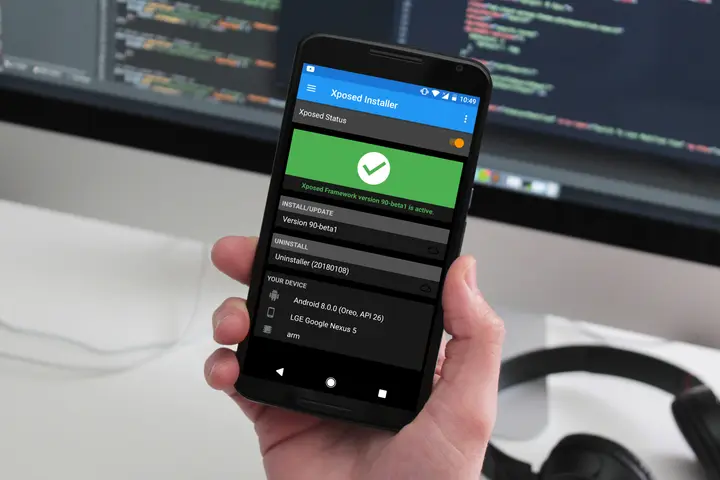
Want to change almost anything on your Android phone without flashing a new ROM?
That's exactly what Xposed was built for. The old Xposed files for Oreo and Pie are dead, but the idea lives on in LSPosed, its active fork Vector, and Zygisk, the thing that makes them work.
When I first wrote this guide in 2019, it showed you how to flash Xposed on Android Oreo and Pie with TWRP. A lot has changed since then.
Here, I'll explain what Xposed means today, which option to use, the risks to know first, and how to install and remove it.
Also Read: What to Do After Rooting Android: 10 Useful Things
TL;DR
- The original Xposed for Oreo and Pie is finished. Don't download those old zips. The links in my old post are gone anyway.
- "Xposed" today means modules running on LSPosed or its fork Vector. Use Vector, because the official LSPosed stops at Android 14.
- You need root first. Vector runs on Magisk or KernelSU, with Zygisk turned on.
- Read the risks before you start. Unlocking the bootloader wipes your phone, and banking apps may stop working.
- Skip LSPatch. It's the no-root option, but it's archived, so I wouldn't use it.
What Is the Xposed Framework?
Xposed is a framework for modules that change how Android and your apps behave.
The clever part is that it doesn't modify any APK files.
The changes happen in memory while apps run, so you can turn a module off and reboot to get your original phone back.
A common question is whether Xposed can give an old phone a new Android version.
It can't, because it only adds features and tweaks. It doesn't update Android.
Here's my own example. My Nexus 5 didn't have Ambient Display, so I used an Xposed module to add it.
Whenever my phone was missing a feature, Xposed was the way I got it.
Many phones have an always-on display built in today. But that's the kind of thing Xposed is great at.
What Happened to Xposed for Oreo and Pie?
In 2019, there were two routes:
- For Android 8.0 and 8.1 (Oreo), you flashed rovo89's original Xposed in TWRP.
- For Android 9 (Pie), you flashed EdXposed together with Riru, because the original Xposed didn't support Pie.
Here's where they are now:
- rovo89's original Xposed is archived on GitHub. It's finished.
- EdXposed hasn't been updated since 2022.
- Riru is archived on GitHub. It was replaced by Zygisk.
So please don't download those old zips. The download links in my old post are gone anyway.
Xposed Options at a Glance
Here's where each option stands today.
| Project | Status now |
|---|---|
| Original Xposed (rovo89) | Archived |
| EdXposed | No updates since 2022 |
| LSPosed (official) | Last release October 2023, Android 8.1 to 14 |
| Vector (LSPosed fork) | Active, Android 8.1 to the Android 17 beta |
| LSPatch (no root) | Archived |
What Is Zygisk?
Every Android app starts from a system process called Zygote.
To change apps from the inside, Xposed has to load its code into Zygote.
Riru used to do that. Now Zygisk does it.
Zygisk is part of Magisk, the best-known way to root. In 2026, Magisk added Zygisk support for Android 17.
If you use KernelSU for root instead, its own docs say it has no built-in Zygisk, so you'll need a separate Zygisk module.
LSPosed and Vector: Which to Use Now
For a modern phone, Vector is the option to use. LSPosed came first, so here's how the two relate.
LSPosed (the Original)
LSPosed took over from EdXposed and became the Xposed for modern Android.
But the official LSPosed hasn't had a new release since version 1.9.2 in October 2023. Its GitHub page still lists support for Android 8.1 to 14.
So if your phone runs Android 15 or newer, the official LSPosed isn't made for it.
Vector (Formerly the JingMatrix LSPosed Fork)
Developer JingMatrix kept LSPosed going in a fork. In March 2026, it was renamed Vector with version 2.0, and it's the one that's still moving.
- Latest stable version: 2.2, released in August 2026. New test builds ("canaries") come out regularly.
- Supported Android versions: Android 8.1 up to the Android 17 beta, according to its GitHub page.
- Root: Magisk or KernelSU, with Zygisk turned on. Vector's page suggests NeoZygisk, a Zygisk module from the same developer.
- Modules: It supports old Xposed modules and the newer libxposed API.
What About Xposed Without Root?
LSPatch used to add Xposed modules to single apps without root.
It's archived on GitHub now and hasn't been updated since 2023, so I wouldn't use it.
Risks to Know Before You Install Anything
Read this part first. It can save you a lot of pain.
- Unlocking the bootloader wipes your phone. You need an unlocked bootloader to root. Back up your photos, chats and files first.
- Samsung's Knox can't be undone. Magisk's own guide says installing it on a Samsung phone trips the Knox warranty bit, and that it isn't reversible. Some Samsung features stop working for good.
- Your warranty may suffer. Some makers refuse repairs on rooted or unlocked phones.
- A bad module can stop your phone from booting. Install one module at a time, and only from sources you trust.
- Banking and payment apps may break. Google's Play Integrity check fails on devices with signs of "API hooking", which is exactly what Xposed does, or of being rooted. Many banking, payment and game apps use that check.
Also Read: How to Flash a Custom ROM on Android Safely
How to Install Vector (Overview)
I'm not going to give you a one-size-fits-all command list here. Rooting steps depend on your exact phone, and a wrong step can leave it stuck.
Follow the official guides instead.
Requirements
- A phone with an unlocked bootloader.
- Magisk installed by following the official Magisk installation guide, or KernelSU from its official project.
- Zygisk turned on.
- A full backup.
Steps
These are the steps from Vector's GitHub page:
- Download the latest release zip from Vector's GitHub releases.
- Install it as a module in your root manager (Magisk or KernelSU).
- Make sure Zygisk is working.
- Reboot your phone.
- Open Vector's settings from the notification it shows.
Now you can add modules.
Notice what's missing? You don't need TWRP or the separate "Xposed Installer" APK from my 2019 guide.
Magisk's own guide now says installing through a custom recovery is deprecated.
How to Install Xposed Modules
- Install the module app. Its developer's GitHub page or the official Xposed Module Repository are good places to start.
- Open Vector's manager and turn the module on.
- Choose which apps the module should work in (its "scope").
- Restart those apps, or reboot if the module asks for it.
A module can change how any app on your phone behaves. Treat it like giving an app root access, because that's close to what it is.
How to Remove Xposed
In 2019, you flashed an uninstaller zip in TWRP. Now it's simpler: remove the Vector module in Magisk or KernelSU and reboot.
If your phone won't start after a module, check your root manager's official documentation for its recovery options before you try anything else.
Is Xposed Still Worth It?
Here's my honest take. A lot of what we used Xposed for is now built into Android or into phone makers' software, like the Ambient Display I added to my Nexus 5.
With banking apps getting stricter, root plus Xposed costs more than it used to.
But if you love tweaking, and your phone is one you can safely unlock, Vector keeps the Xposed idea alive on Android versions rovo89 never imagined.
Also Read: Top 10 Best Xposed Modules for Lollipop & Marshmallow
Final Thoughts
The Xposed for Oreo and Pie that I wrote about in 2019 is history, so don't flash those old files.
Today, Xposed means Vector on top of Magisk or KernelSU with Zygisk. The official LSPosed still exists, but it stops at Android 14.
Vector is still moving, with new test builds coming out often. Check its GitHub page before you install, back up first, and add one module at a time.
FAQs
Are the Xposed files for Oreo and Pie still safe to use?
I wouldn't use them. rovo89's original Xposed is archived, and EdXposed hasn't been updated since 2022, so don't download those old zips.
What is Xposed on Android today?
Today, Xposed means modules running on LSPosed or its fork Vector, with Zygisk on Magisk or KernelSU. Vector is the active fork, and it supports Android 8.1 up to the Android 17 beta.
Can I use Xposed modules without root?
Not with a tool I'd recommend. LSPatch used to add Xposed modules to single apps without root, but it's archived and hasn't been updated since 2023.
Does Xposed work on Android 15 or newer?
Yes, through Vector. The official LSPosed stops at Android 14, while Vector lists support up to the Android 17 beta on its GitHub page.
Can Xposed modules break my banking apps?
They can. Many banking, payment and game apps use Google's Play Integrity check, which fails on devices with signs of API hooking or root.
Still stuck? Tell me through the contact page.