 TechVerge
Ever wondered what actually happens when you click "Shut down"?
Some people use the Start menu, some hold the power button, and some just pull the plug.
Short answer: on most Windows PCs, "Shut down" doesn't fully shut Windows down. It closes your apps and signs you out, but it saves the core of Windows to disk so the next start is faster.
Restart does a full shutdown instead, so use it when something acts up or an update asks for it.
When I first wrote this in 2017, I talked about Windows 10. Now it's Windows 11.
Windows 10 reached the end of support on 14 October 2025.
Here, I'll explain what happens in each case, and which option to use.
Also Read: Why You Should Never Shut Down Your PC During an Update
TL;DR
- Shut down on Windows 11: apps close and you're signed out. With Fast Startup on, the core of Windows is saved for a quicker start.
- Restart: a full shutdown and a completely fresh start. Use it when something acts up or an update asks for it.
- Mac: click the Apple menu → "Shut Down". Only force a shutdown when the Mac stops responding.
- Holding the power button or pulling the plug: can cause data loss or corruption, so keep it for a frozen PC.
What Happens When You Click Shut Down?
In Windows 11, you click "Start" → "Power" → "Shut down".

The "Shutting down" screen only shows for a few seconds. A lot happens behind it.
1. Windows Asks Every App to Save and Close
Windows sends a message to every open app, asking it to save its work and close.
If you have an unsaved Notepad file, that's when it asks whether you want to save it.
If an app doesn't answer in time, Windows tells you which apps are still open and gives you a choice.

2. Services Stop and Files Are Saved
Next, Windows tells the services running in the background to stop.
Microsoft explains that a proper shutdown closes all files and lets services and apps write their unsaved data to disk.

3. Your User Session Closes
All users are signed out. Your apps, your windows and everything else you had open are gone.
Then comes the twist.
The Fast Startup Twist: Shut Down vs Restart
On most Windows PCs, a feature called Fast Startup is turned on.
Microsoft says it's enabled by default if your PC can hibernate.
With Fast Startup on, Windows doesn't throw everything away when you shut down. It closes your apps and signs you out, but saves the core of Windows (the kernel) and your drivers to a file called hiberfil.sys, then powers off.
The next time you turn on your PC, Windows loads that file back instead of starting from zero. That's why your PC turns on so quickly.
Think of it like closing all your books at the end of the day, but leaving your desk set up for tomorrow.
Restart is different. Microsoft says the Fast Startup setting doesn't apply to Restart.
A restart always does a full shutdown and a completely fresh start.
So, believe it or not, Restart gives Windows a cleaner start than Shut down. That's why "Have you tried turning it off and on again?" works best when you click "Restart".
It also matters for updates. Microsoft says some updates can only finish after a full shutdown, so to make sure pending updates complete, choose Restart.
How to Do a Full Shutdown
Microsoft doesn't recommend turning Fast Startup off. But if you want a full shutdown once in a while, open Command Prompt and type:
shutdown /s /t 0
Microsoft says a full shutdown is the default when you use this command. The /t 0 part means "do it now".
Sleep vs Hibernate vs Shut Down vs Restart at a Glance
Your Power menu gives you a few choices. Here's when to use each one, based on Microsoft's own advice.
| Option | What happens | Use it when |
|---|---|---|
| Sleep | Your work stays in memory and the PC uses very little power | You'll be back soon |
| Hibernate | Your work is saved to the disk and the PC uses even less power than sleep | You're leaving a laptop for a long time and want your apps back |
| Shut down | Apps close and you're signed out. With Fast Startup, the core of Windows is saved for a quick start | You're done for the day |
| Restart | A full shutdown and a completely fresh start | Something is acting weird, or an update asks for it |
A few things to know:
- Many new laptops sleep like a phone. Microsoft calls it Modern Standby. Your laptop can stay connected in a low-power mode and wake up in less than a second.
- Hibernate might be hidden. It's not in every PC's Power menu. You can add it from "Control Panel" → "System and Security" → "Power Options" → "Choose what the power buttons do" → "Change settings that are currently unavailable", then tick "Hibernate" and save. Some PCs don't offer it at all.
- Resuming from hibernate is slower than sleep, but you won't lose your work if the battery runs out.
What About a Mac?
On a Mac, click the Apple menu → "Shut Down".
Before it shuts down, you'll see a box called "Reopen windows when logging back in". Leave it ticked, and your apps and windows come back the next time you start your Mac.
Untick it, and you start fresh.
Apple has one useful tip for MacBooks. On a laptop, wait until the screen goes completely black before you close the lid.
Closing it too early can stop the Mac from shutting down properly, and the next start-up may be slower.
Apple's guide says the same thing as Microsoft: only force a shutdown when your Mac stops responding.
Also Read: Does Apple Slow Down Your Old iPhone to Make You Buy a New One?
Is It Bad to Hold the Power Button or Pull the Plug?
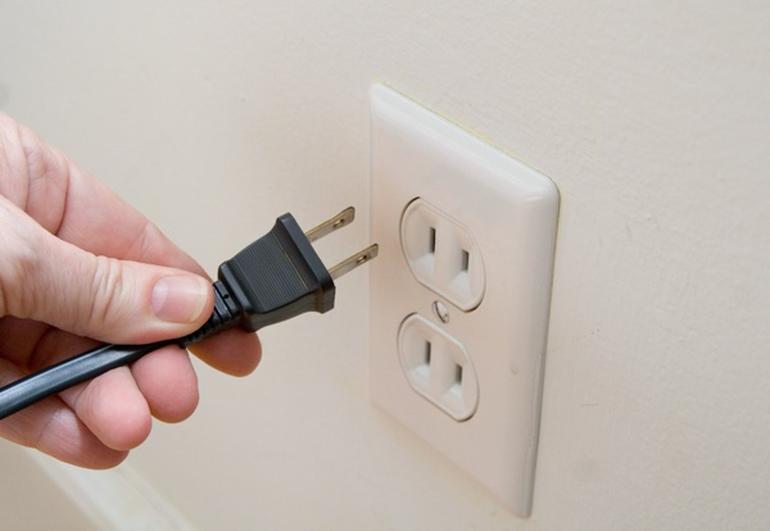
Yes, if you do it regularly.
When you hold the power button or pull the plug, none of the steps above happen. Apps don't save, files aren't closed and services don't stop.
Microsoft calls this a "dirty shutdown", and says it can cause data loss or corruption and can also lead to boot-up problems.
So only hold the power button when your PC is completely frozen and nothing else works.
If power cuts are common where you live, a UPS (a battery backup) is worth it for a desktop PC.
What Happens If You Shut Down During an Update?
In 2017, I said Windows updates can feel like they take an eternity. Sadly, that hasn't changed much.
Windows says that to finish installing an update, your device will need to restart. During that restart, it's replacing important system files.
If you force it off in the middle, you might end up with a PC that won't start properly, and you'll have to repair Windows.
So when Windows says it's working on updates, let it finish. If you're on a laptop, keep it plugged in.
Also Read: How to Make a Bootable USB Using Command Prompt (Windows 11)
Final Thoughts
Shut down from the Start menu or the Apple menu, not by holding the power button. Click "Restart" when something feels slow or broken, and when an update asks for it.
If you're still on Windows 10, it's time to think about Windows 11. Keep your PC updated either way.
Hold the power button only as a last resort. Your computer will thank you for it.
FAQs
Is it bad to shut down a computer with the power button?
Holding the power button or pulling the plug skips the steps that save your work and stop services. Doing it regularly can cause data loss or corruption, so only use it when your PC is completely frozen.
What is the difference between Shut down and Restart in Windows 11?
Shut down closes your apps and signs you out, but with Fast Startup on it saves the core of Windows for a quicker start. Restart does a full shutdown and a completely fresh start, which is the better choice when something acts up.
Should I turn off Fast Startup?
Microsoft doesn't recommend it. If you want a full shutdown once in a while, open Command Prompt and type shutdown /s /t 0.
Should I choose Sleep, Hibernate or Shut down?
Use Sleep when you'll be back soon. Use Hibernate when you're leaving a laptop for a long time and want your apps back, and Shut down when you're done for the day.
Still stuck? Tell me through the contact page.