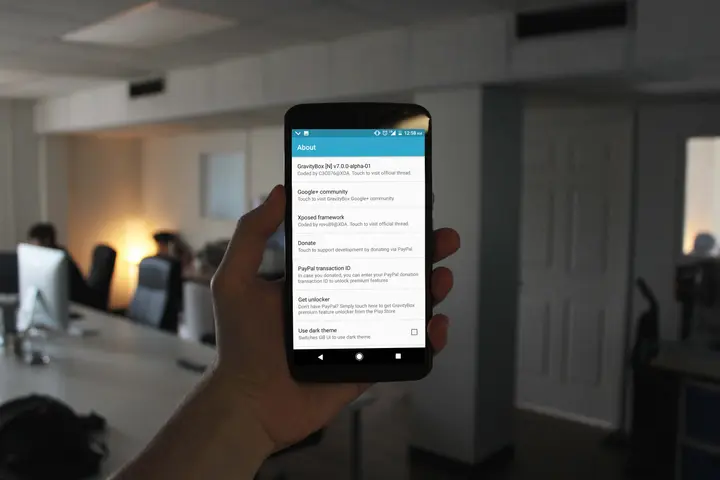
Android Nougat is the newer version of Android, and we might have seen that the Xposed Framework took too much time to arrive.
If you are an Android user, you might have heard about the amazing app called Xposed Framework. There are tons of best Xposed modules available. You can install them on your device and enjoy customizing your phone.
One of the famous modules is Gravity Box. Today in this article, I will show you how to install Gravity Box on Android Nougat.
Also Read: How to Install System-less Xposed to Receive OTA Updates & Android Pay
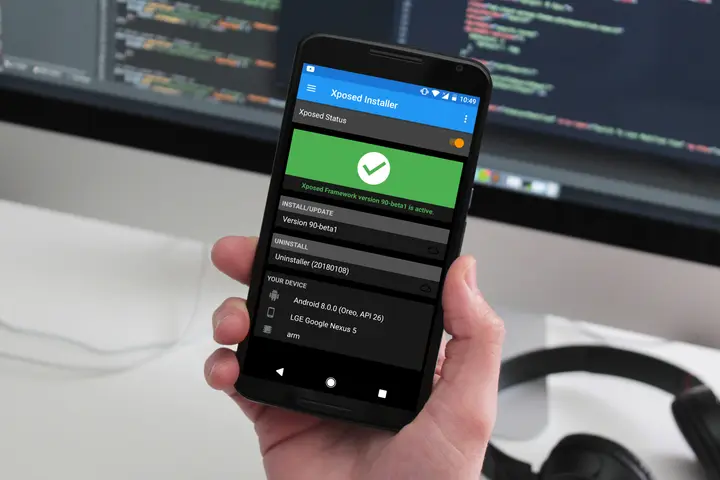
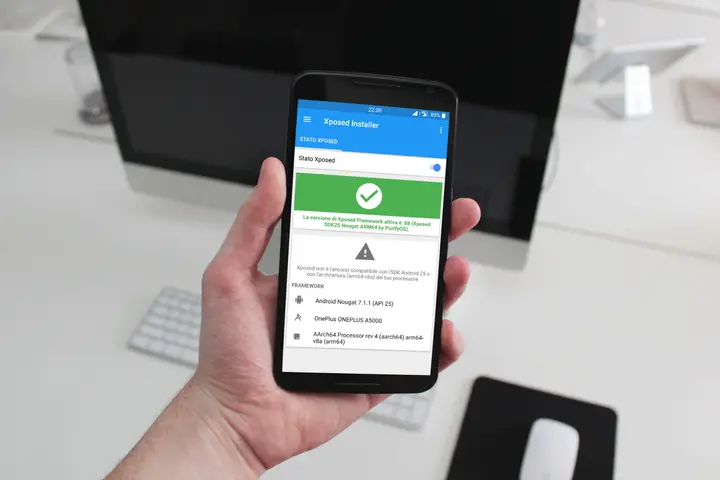
Rovo89, the developer of Xposed Framework, never came up with an official Xposed framework for Android Nougat. This is why an unofficial Xposed is available for all Android Nougat devices. Slowly, most of the modules will work on Android 7.0 and 7.1, which is API level 24 and 25.
When it comes to customizing your Android device, the first name that pops into our mind is Xposed. The reason is the customizations and tweaks you can perform with the help of the Xposed framework.

What Is Gravity Box?
Gravity Box is a simple module that works with the Xposed Framework and allows users to customize their Android device however they need. They can change the color combination of the status bar, the navigation bar and much more.
Also Read: How to Enable Android O-Like Notification Dots on Any Android Device
There is one limitation if you want to use Gravity Box. You need to install the Xposed framework on your device, and this will help you customize your phone.
There is a pro version of Gravity Box available that allows users to tweak their device an unlimited number of times. You don't need to worry if you have a stock ROM.
Install Gravity Box on Android Nougat
There are different versions of Gravity Box available. All of them have the same motto, from Android Jelly Bean to Nougat: to let you customize your device however you need, without any issues.
If you have a stock Android device, you might have seen that there is not much customization you can perform. But when you install Gravity Box on your phone, it might make you a power Android user.
You can add the internet speed to the status bar and perform other tweaks however you need. I know it sounds exciting, so let's dive in and see how to install Gravity Box on your device.
Also Read: How to Enable Ambient Display Feature in Any Android Device
Requirements:
- Xposed Framework for Android 7.0+
- Android Nougat 7.0 and 7.1+
- Unknown Sources Enabled.
- Rooted Android Device.
How to Install Gravity Box on Your Android Nougat Device
- Download and install Gravity Box on your device from here: Download
- Install the app. You might get an Unknown Sources warning. Tap Settings.

- Now, search for Unknown Sources and enable it.

- Press the back button and try installing the app again on your device.
- Open the app. If you have installed Xposed on your device, you need to grant root permissions to Gravity Box.
- Simply open the Xposed Framework and press the menu key.

- Tap Modules to check out the modules.

- Then enable Gravity Box from there and tap Framework.
- Press the menu key and you will see 2 options: Reboot and Soft Reboot. Tap Reboot.

- Then open Gravity Box and allow all the permissions, such as storage and others.

- Now you can customize your device however you need.

Final Verdict:
If you love the new Gravity Box, you can install it on your device and enjoy it. If you love the app and want to try its premium features, you can donate to the developer and enjoy using Xposed on your phone.
Also Read: Download Full-Resolution Profile Photos From Instagram [How-To]
Share this article with your Android power-user friends and let them know about this great and trending module. I hope they will love it.
If you get stuck, tell me through the contact page.

Topics
Comments (1)
Comments are closed. Have a question about this article? Ask through the contact page.
Thanks a lot! :)