 TechVerge
Do you ever give your phone to a friend, a relative or your parents and feel a little uneasy? What if they open your gallery and check your photos?
That's exactly why multiple user accounts exist.
The quick answer: many Android phones have "Multiple users" built into "Settings", and you don't need root to use it.
When I first wrote this in 2017, many phones didn't have this feature.
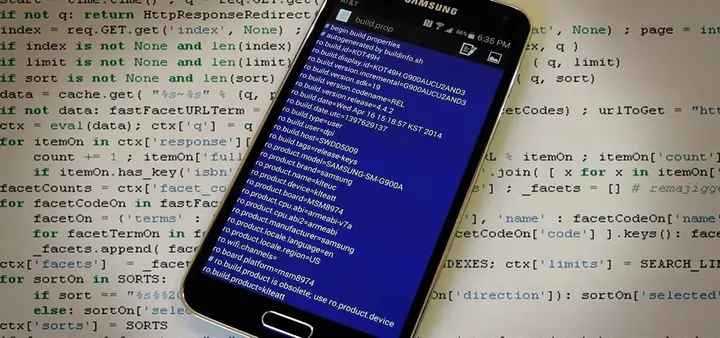
So I enabled multiple user accounts on my phone by editing a system file called build.prop. That needed root, and it's no longer necessary.
I'll cover how to add a user, how to switch and delete users, how to use guest mode, and what to do if your phone doesn't have the option.
Also Read: How to Install One App Twice on Android Without Root
TL;DR
- Built-in option: on phones that support it, go to "Settings" → "System" → "Multiple users" and tap "Add user". No root needed.
- Google Pixel: supports multiple users. Google's own help pages walk you through the steps.
- Samsung: Samsung's guide covers Galaxy tablets. If you don't see "Users" on a Galaxy phone, use Private space or Secure Folder instead.
- Guest mode: the quick option when someone only needs your phone for a few minutes.
- Avoid the build.prop trick: it needs root, and its app is no longer on Google Play.
What Are Multiple Users on Android?
Multiple users give each person their own space on your phone, with their own apps, accounts and home screen.
Google says these things are not shared between users:
- Files and messages, like texts, email, photos and music
- Data from apps another user installed
Some settings, like Wi-Fi and Bluetooth, are shared by everyone.
If two users install the same app, an update from one user updates it for both. Their app data still stays separate.
Multiple User Options at a Glance
Here's how the options compare. The built-in ones don't need root.
| Option | Best for | Root needed? |
|---|---|---|
| Multiple users | Sharing a phone with family | No |
| Guest mode | Letting someone borrow your phone for a few minutes | No |
| Private space | Keeping apps to yourself (Android 15 and newer) | No |
| Secure Folder | Private photos, files and apps on a Samsung | No |
| Hiding files | Keeping a few photos away from curious eyes | No |
| build.prop edit | An old 2017 workaround (not recommended) | Yes |
Which Phones Support Multiple Users?
It depends on your phone.
- Google Pixel: Yes. Google's own help pages walk you through it.
- Samsung: Samsung's guide for adding users is for Galaxy tablets. If you don't see "Users" on your Galaxy phone, jump to the alternatives below.
- Other brands: It varies. Google says that if you can't find the option to add a user, your device can't add users.
Google also notes that some of the steps only work on Android 14 and up.
How to Add a User on Android
Adding a user is a short process on phones that support it.
Requirements
- A phone that supports multiple users
- You must be the phone's owner (the first account set up on it)
- Open "Settings" → "System" → "Multiple users". If you can't find it, search for "users" in Settings.
- If there's a switch at the top of the page, turn it on.
- Tap "Add user", then "OK". If you don't see "Add user", tap "Add user or profile" → "User" → "OK".
- Enter a name for the new user.
- Tap "Switch to [name]", then "Set up now" to set it up, or "Not now" to do it later.
The new user can now set up their own Google account, apps and lock screen.
How to Switch Users
- Swipe down from the top of the screen twice to open Quick Settings.
- Tap the user icon.
- Tap the user you want to switch to.
How to Let Another User Make Calls and Send Texts
By default, other users may not be able to make calls.
To change that, go to "Settings" → "System" → "Multiple users", tap the user's name and turn on "Turn on phone calls".
How to Delete a User
- Go to "Settings" → "System" → "Multiple users".
- Tap the user's name.
- Tap "Delete user", then "Delete".
Double-check the name first. You can't undo this.
How to Use Guest Mode on Android
Guest mode suits someone using your phone for a short time. It's a good fit when a friend just wants to make a call or browse for a few minutes.
This is how it works on a Pixel:
- Swipe down to open Quick Settings and tap the user icon.
- Tap "Add guest".
- If a guest was already there, tap "Start over" to wipe the old guest's data, or "Yes, continue" to keep it.
When your guest is done, they can tap the user icon → "Remove guest" → "Remove".
You can also do it yourself: tap the user icon → "Guest" → "Start over", and all the guest's data is deleted.
How to Add Users on a Samsung Galaxy Tablet
On Galaxy tablets, the option lives in a different place:
- Open "Settings" → "Accounts and backup" → "Users".
- Tap "Add user or profile" → "User".
- Tap "OK", then "Set up now".
The first account on the tablet is the administrator. Only that account can delete other accounts.
Also Read: How to Hide the Navigation Bar on Android (No Root)
What If Your Phone Doesn't Support Multiple Users?
You still have some good options.
- Private space (Android 15 and newer): A separate, locked area for apps you want to keep to yourself. I've explained how to set it up in my guide on installing one app twice. Just remember that its apps stop completely while it's locked.
- Secure Folder (Samsung): Go to "Settings" → "Security and privacy" → "More security settings" → "Secure Folder". You can keep private photos, files and apps in it, behind its own lock.
- Hide your files: If you just want to keep a few photos away from curious eyes, hiding them is often enough.
Also Read: How to Hide Files and Folders on Android Without Any App
What About the Old build.prop Trick?
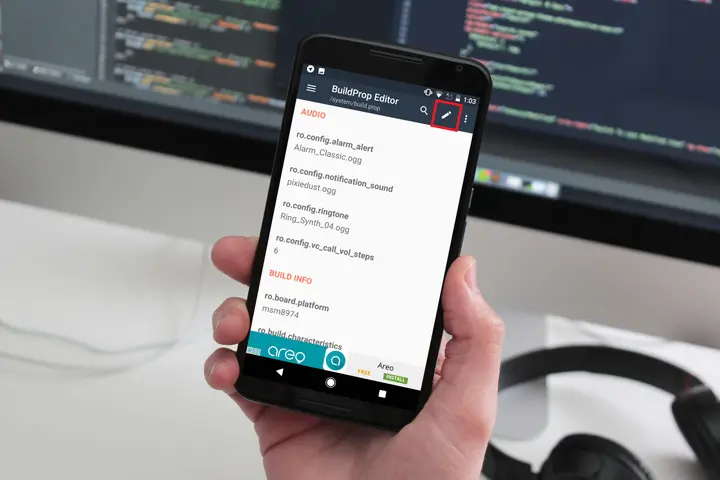
In 2017, I used a Build Prop Editor app to add these two lines to my phone's build.prop file:
fw.max_users=3
fw.show_multiuserui=1
After a reboot, the multiple users option showed up in the status bar.
I don't recommend it anymore.
It needed root, the Build Prop Editor app I used is no longer on Google Play, and editing system files on a modern phone can stop it from booting. Use the built-in options above instead.
Final Thoughts
If your phone has "Multiple users" in Settings, use it. It's the cleanest way to share a phone with your family, and for quick borrowing, guest mode is even easier.
If your phone doesn't have it, Private space or Secure Folder will keep your private stuff private.
Menu names and locations can change with each Android update and brand, so if a step doesn't match your screen, search Settings for "users".
FAQs
Does enabling multiple user accounts on Android need root?
No. The built-in "Multiple users" option doesn't need root, and only the old build.prop trick did.
Why can't I find Multiple users in my Android settings?
Not every phone has it, and Google says a device without the option can't add users. On Android 15 and newer, try Private space, or use Secure Folder on a Samsung phone.
What is the difference between a guest and a new user on Android?
A new user gets their own apps, accounts and home screen. A guest is for a short visit, and you can wipe their data with "Start over" or remove them with "Remove guest".
Are my files shared with other users on Android?
No. Files and messages, like texts, email, photos and music, stay private to each user, but settings like Wi-Fi and Bluetooth are shared.
Still stuck? Tell me through the contact page.